
Alternatives
Materials that can replace plastic
Seaweed, mycelium, moulded fibre, PHA (a plastic made by microbes that can break down), bamboo, glass, metal and reuse systems. For each: what it replaces, how mature it is, what it costs, how it is certified, what the life-cycle studies say, and where the greenwashing risk is.
Looking for swaps at home instead? See everyday swaps, ranked.
Material swap finder
Built for product and packaging teams. Filter by what you need to replace, the material family, maturity and end of life. Every card links to the evidence.
Read this first
Bio-based is not the same as biodegradable
A plastic can be made from plants and still last for centuries (bio-PE). Another can be made from oil and break down in a composter (some PBAT blends). ‘Compostable’ usually means an industrial facility at 58 °C, not your garden; in the UK’s Big Compost Experiment, 60% of items certified home-compostable did not break down in home compost. Paper straws often contain per- and polyfluoroalkyl substances (PFAS), known as ‘forever chemicals’. A cotton bag has to be used dozens of times to beat a plastic bag on climate impact, and thousands of times across all environmental impacts. The best alternative is usually the one you already own, used again.
Purkiss et al., 2022 (Big Compost Experiment); Boisacq et al., 2023 (PFAS in straws); Danish Environmental Protection Agency, 2018 (carrier bag life-cycle assessment (LCA))
Three families worth knowing
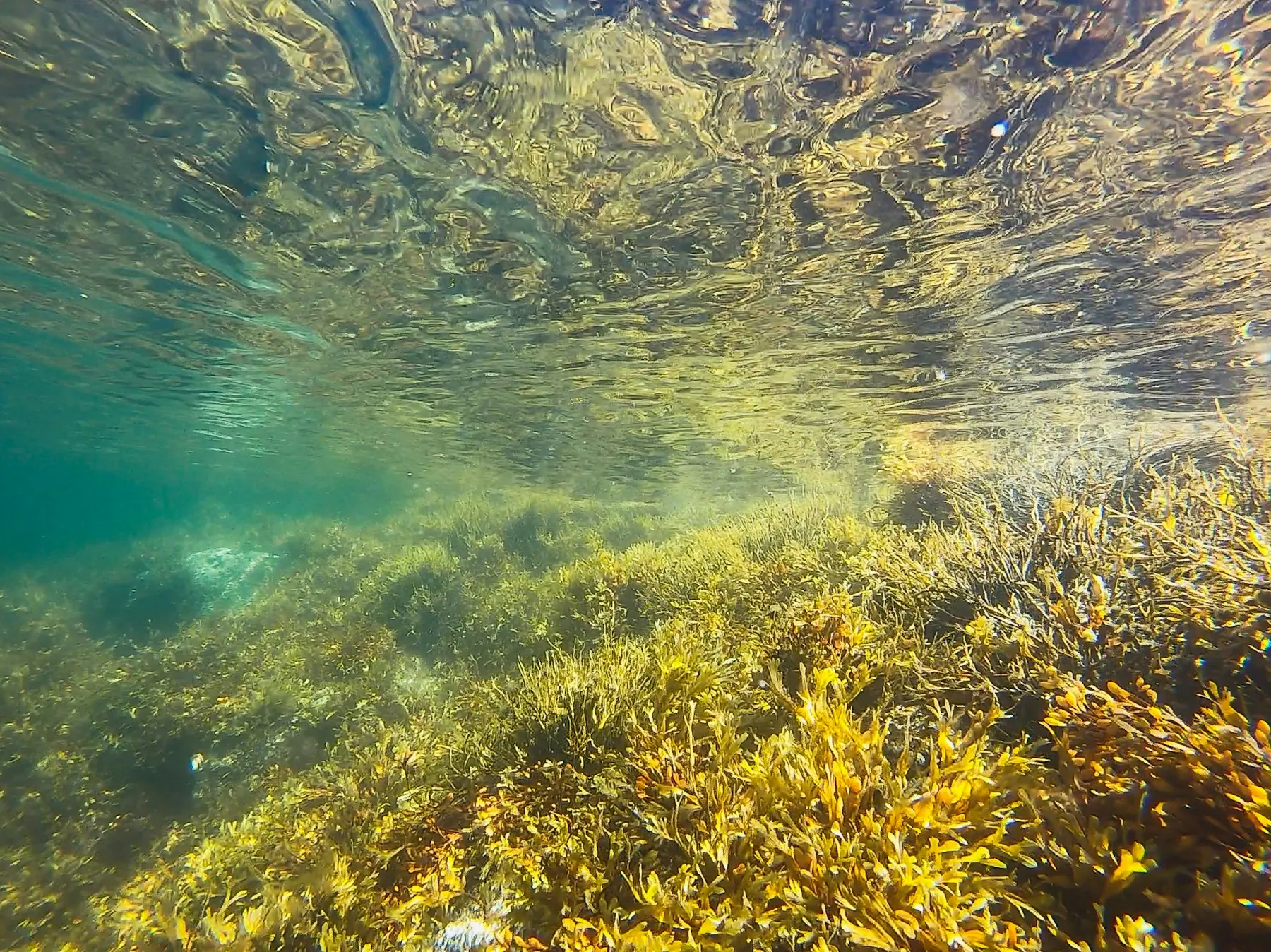
Seaweed and algae
Films, sachets and coatings from seaweed (Notpla, Sway, Loliware) are commercial for thin single-use films and edible packaging, home-compostable, and nearing cost parity for thin films. Not yet suited to rigid or long-shelf-life packaging.
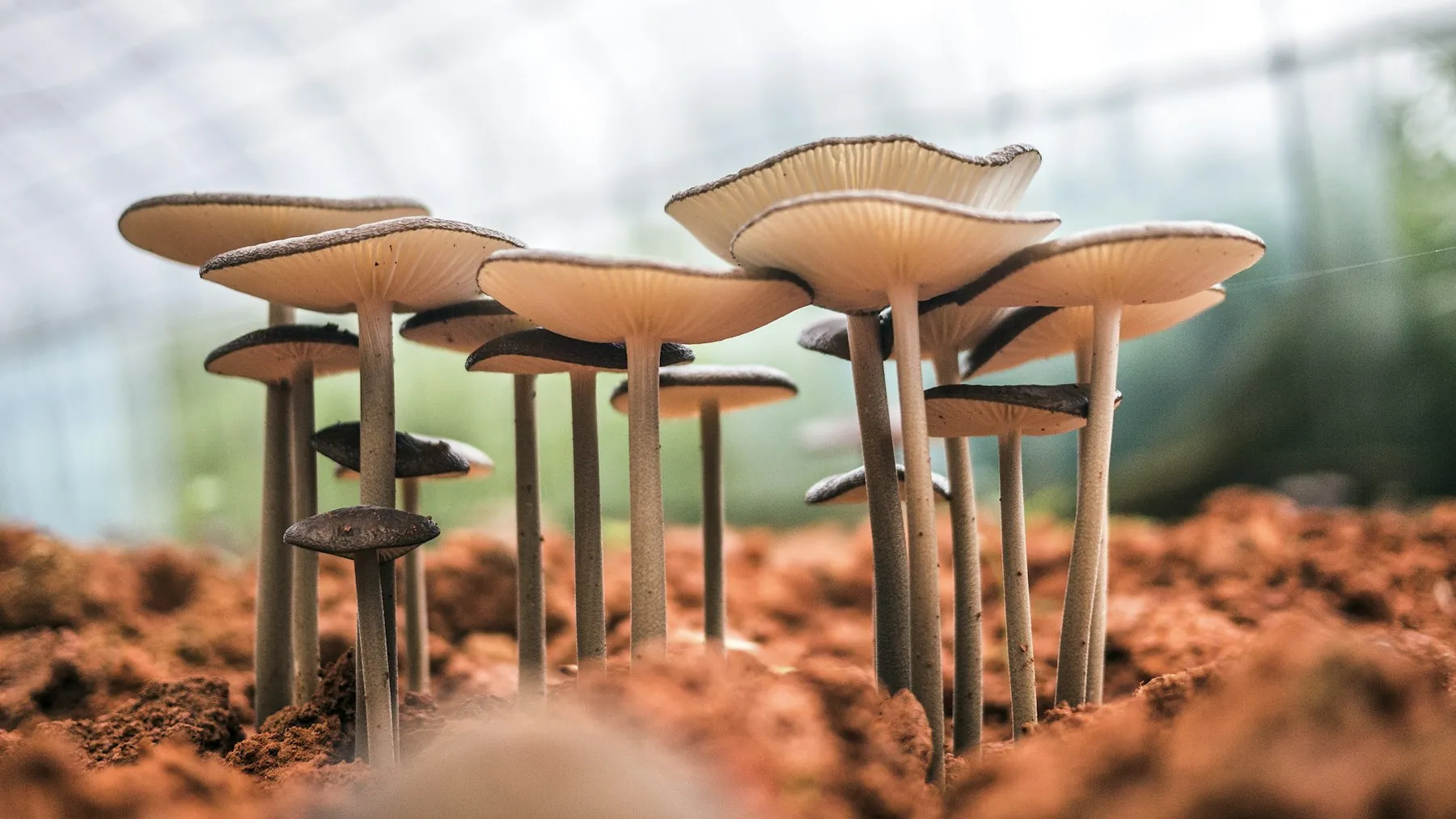
Mycelium
Mushroom root grown around agricultural waste makes protective packaging that replaces polystyrene foam (Ecovative, used by IKEA and Dell). A 2025 life-cycle study found 1.3 kg carbon dioxide equivalent (CO₂e) per kg versus 3.4 for polystyrene. Home compostable. Slower to make and heavier than foam.

Bamboo and moulded fibre
Fast-growing bamboo and dry-moulded fibre (PulPac) replace cutlery, trays, cups and rigid packaging at scale. Watch for bamboo-melamine composites, withdrawn in the EU because melamine leaches into hot food, and for plastic linings in ‘paper’ cups.
For manufacturers
Switching materials is a business decision as much as an environmental one. Our business page sets out the taxes and producer-responsibility fees you avoid, the case studies with numbers, and the certification standards buyers now ask for. To put a number on your own costs, try the cost of plastic calculator.