

No Plastic Today
The evidence on plastic harm and what you can do about it, starting today.
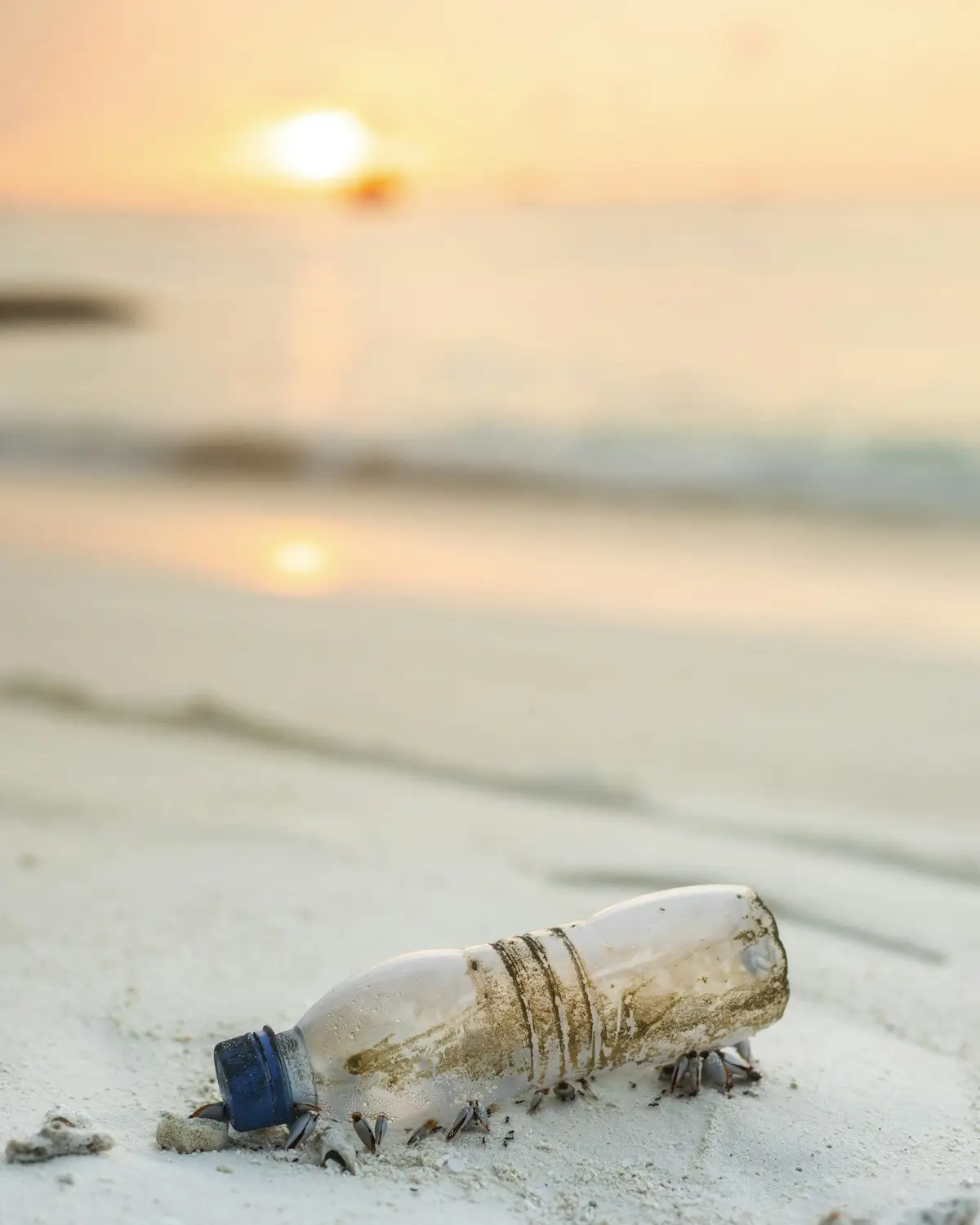
Every figure on this site links to the study behind it
Free to use, share and teach with. No ads and no industry money.
Our mission
Plastic is now in our blood, our brains and our babies. The science is clear and getting clearer every month. We collect it, explain it, and show every person, school and business the alternatives that work, so that reducing plastic becomes the easy, obvious choice.
Plastic made each year
460 million
tonnes of plastic made in one year
Production has doubled since 2000. Only 9% of plastic waste is recycled. Without change, waste almost triples by 2060.
Organisation for Economic Co-operation and Development (OECD) Global Plastics Outlook (2022)
Evidence you can check
Peer-reviewed studies on human health, wildlife, climate and the economy, each summarised with a link to the original paper and a rating of how strong the evidence is.
Start here
Practical, evidence-based paths for everyone
People and families
Room-by-room swaps ranked by impact, cost and effort. A footprint calculator. A 30-day challenge that actually sticks.
Most people can cut 40% in a month
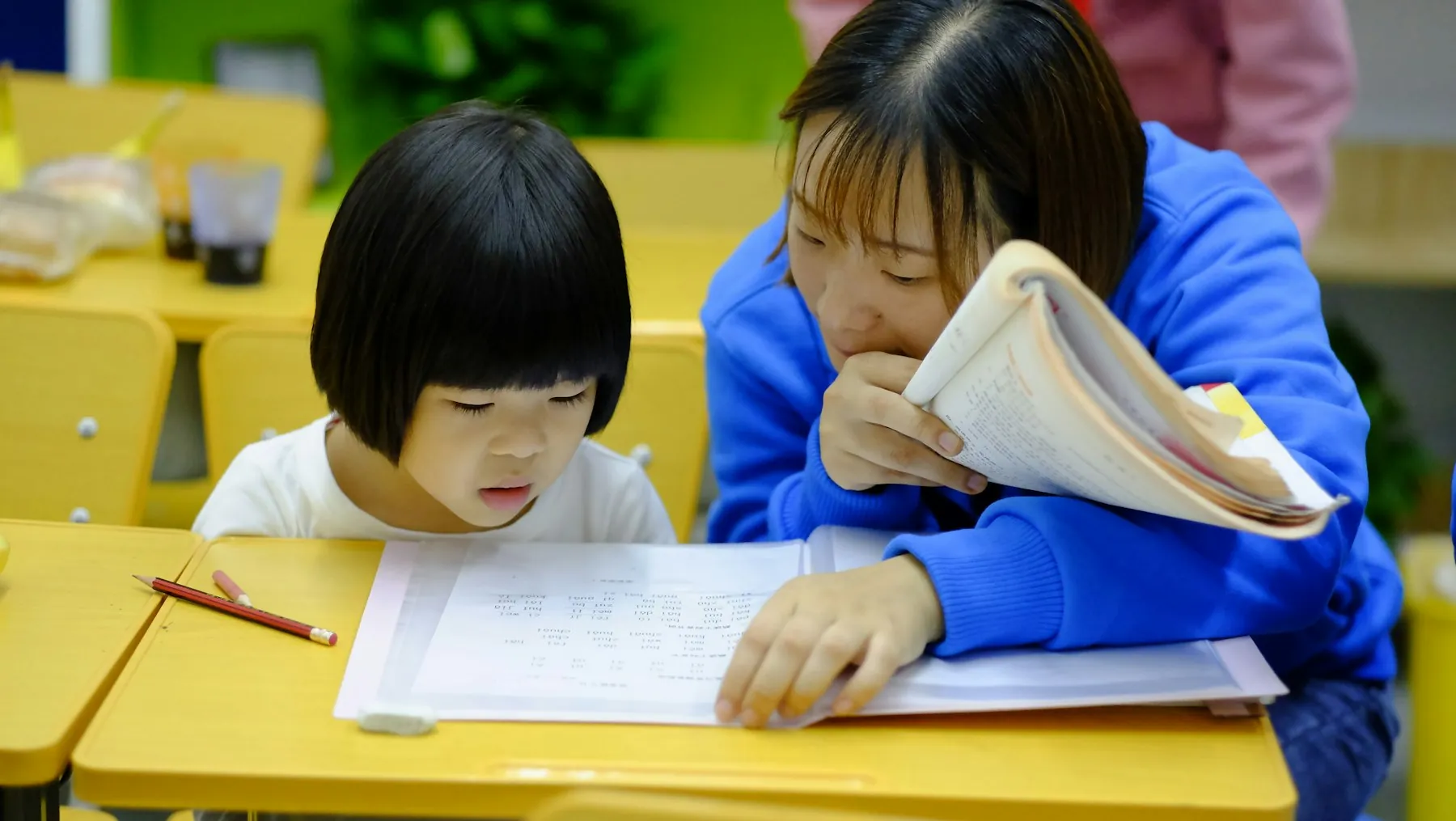
Schools and kids
Lesson plans by age, a classroom plastic audit, science-fair experiments and conversation cards for convincing the grown-ups.
Ages 5 to 18, curriculum mapped
Business and manufacturers
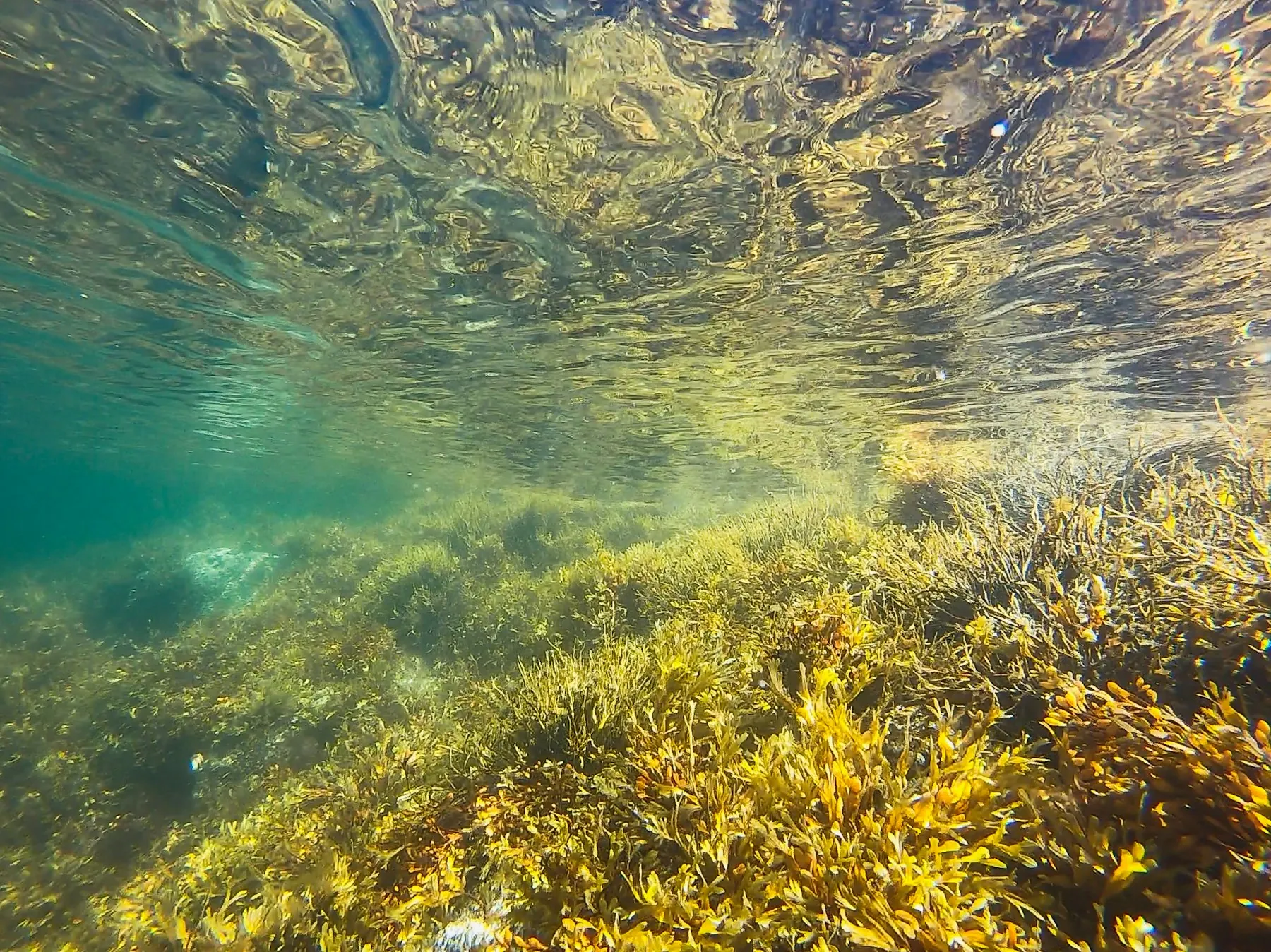
A material swap finder: seaweed, mycelium, moulded fibre, PHA and more, with maturity, certification, cost signals and the honest drawbacks.
Plus the economics of switching
The scale of it
Numbers that should change behaviour
9%
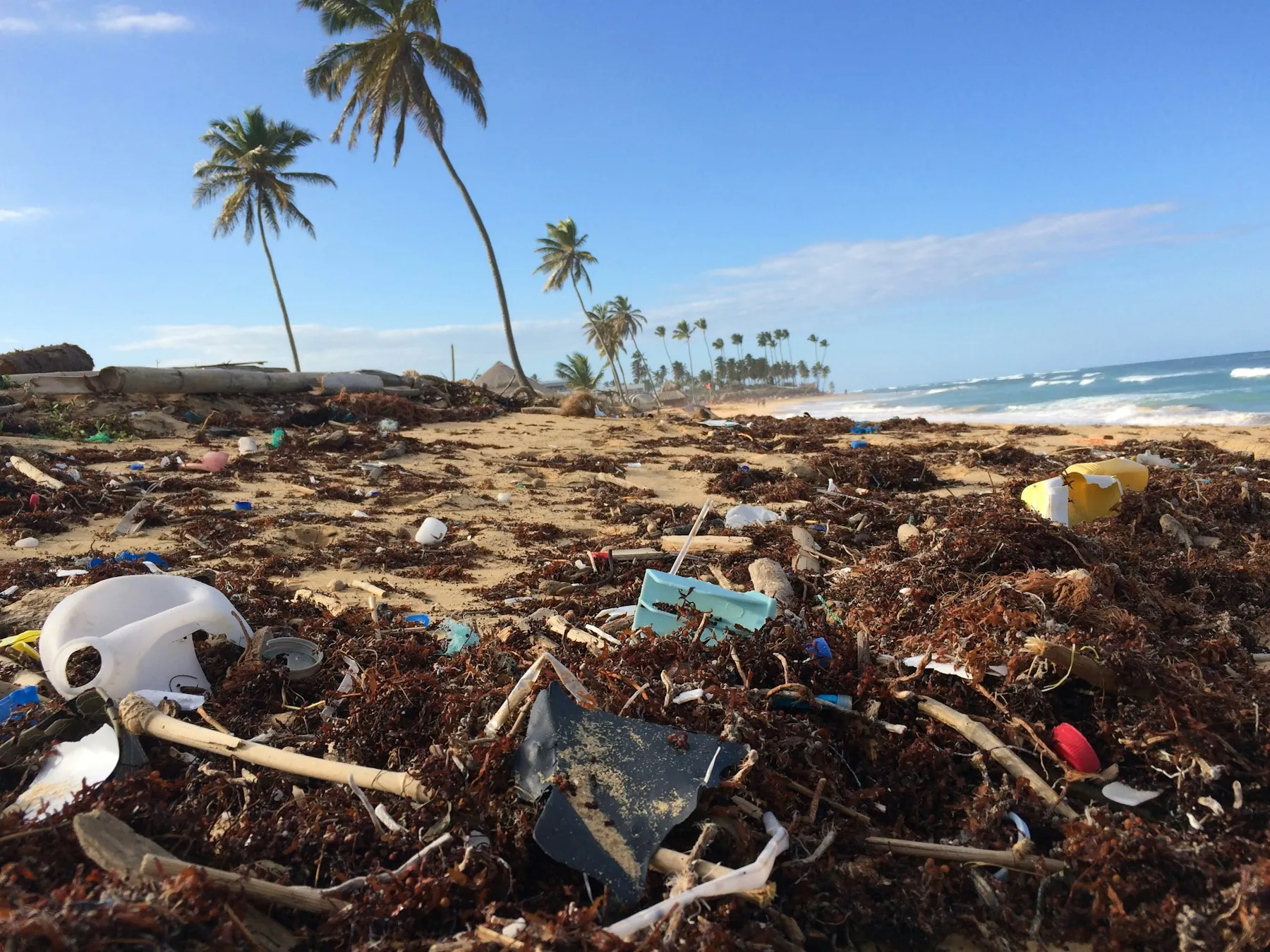
of all plastic waste ever produced has been recycled. Around half went to landfill and a fifth was mismanaged or leaked into the environment.
22 million
tonnes of plastic leaked into rivers, soils and oceans in a single year. That is roughly a rubbish truck every 40 seconds.
16,000+
chemicals are used in or found in plastics. More than 4,200 are of concern for human or environmental health, and most have never been assessed.
Human health, 2024
In a study of 257 people having artery surgery, 58% had micro- and nanoplastics in the plaque lining their arteries. Over the next three years, those people were 4.5 times more likely to have a heart attack, a stroke, or die.
28%
lower cost per use for returnable drink bottles than single-use, once a plastic tax and a higher carbon price are counted.
Ellen MacArthur Foundation, 2023, modelled for a shared national system
Business case
Cutting plastic can cut your costs
Packaging taxes and fees are rising. See where using less plastic already saves organisations money, and what staying with it could cost yours.
Press play to load the video from YouTube (youtube-nocookie.com). Nothing loads until you do.
Watch
The Plastic Country
A full-length independent documentary by Kal Glanznig on Australia’s hidden plastic crisis: where our waste really goes, who profits, and the people fighting back. Free to watch on YouTube.
Also on our list: Plastic People: The Hidden Crisis of Microplastics (2024, free on SBS On Demand in Australia), The Story of Plastic, Plastic Wars and more.
How you can help
Three things that work
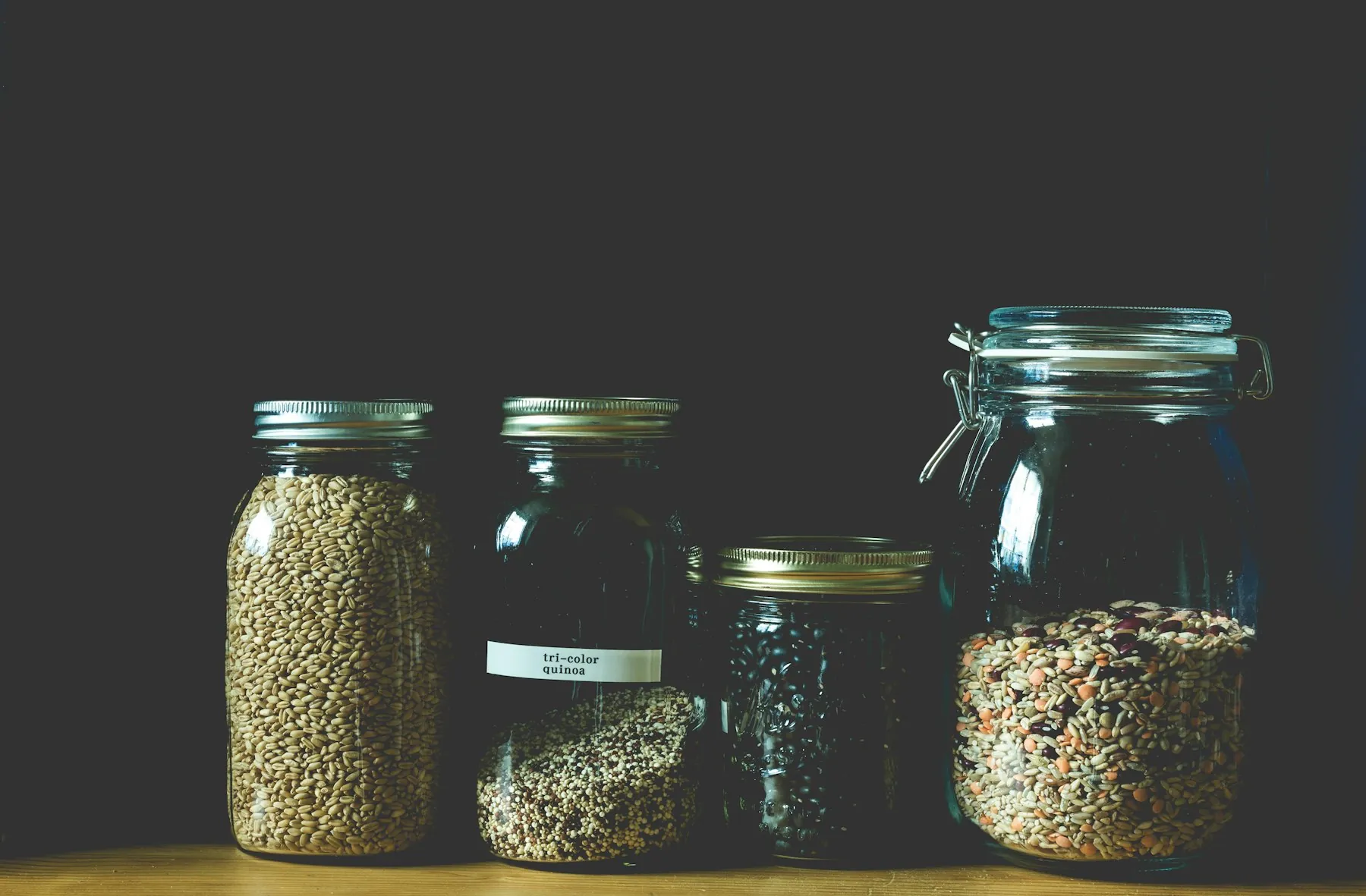
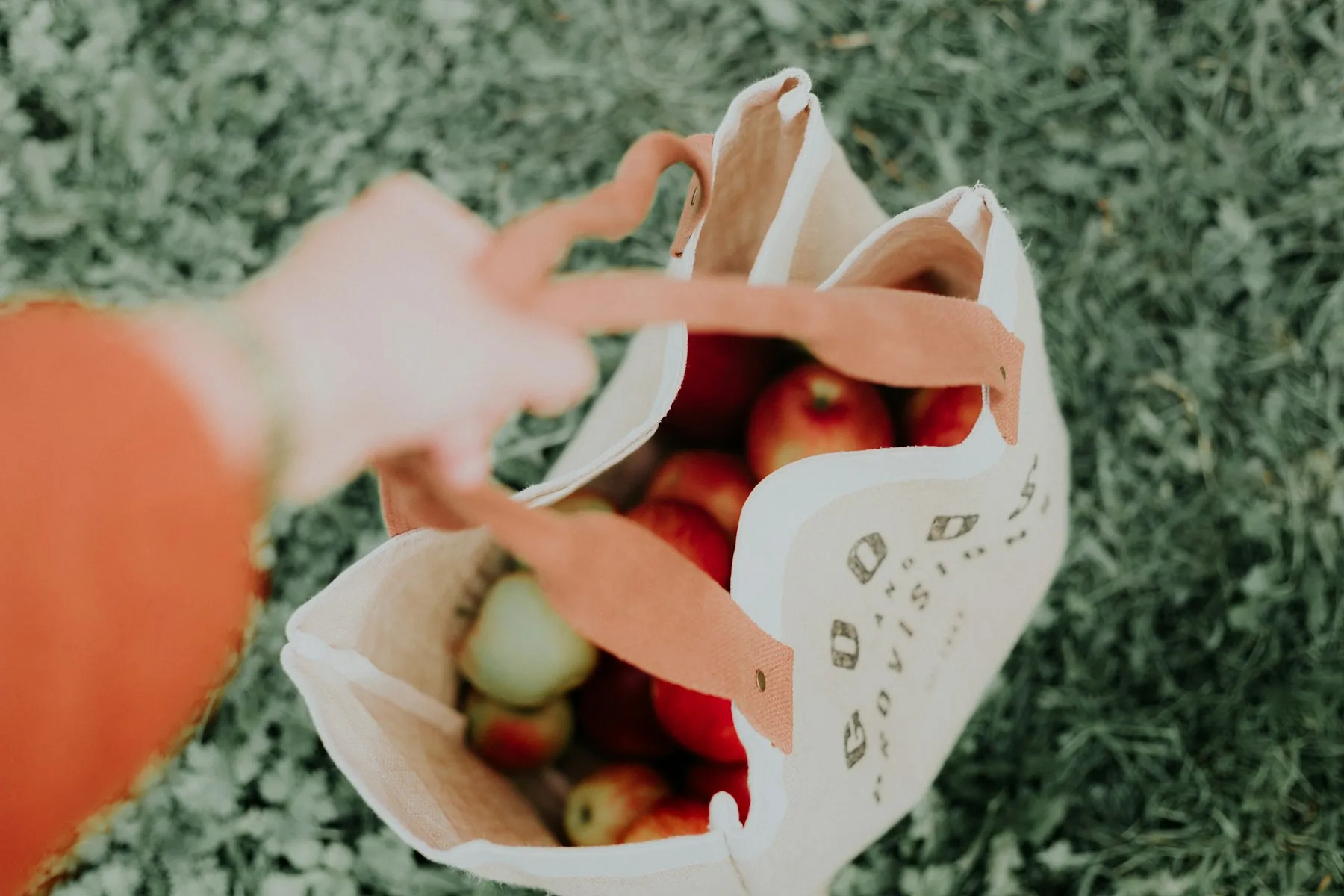
- Swap the big five firstBottles, bags, coffee cups, food wrap and bathroom products make up most household single-use plastic. Fix those and you are most of the way there.
- Ask for change where you shop and workBusinesses switch when customers and staff ask. We give you the letter templates and the evidence to attach.
- Support the siteA small donation funds the weekly research digest and keeps the whole resource free and independent.

Wins this week
It is working, somewhere, every week
Bans that cut litter, companies that switched, towns that went refillable. Proof that the actions on this site have outcomes.
-
The best plastic-free cutting boards: I spent six weeks testing 10 boards, and these won
A good, sturdy chopping board will last you many years. I tested the best non-plastic, non-toxic ones, including some made out of wood and synthetic rubberA…
-
Scaling reuse: What have we learned from city-scale pilots?
With market penetration of reuse still relatively low, at ~20%, what does it take to move reuse from an individual-business initiative to a functioning city-scale system,…
-
Team Sequesters Plastic and Makes New Products Before it Breaks Down in Environment
In central California’s city of San Carlos, recycling plastics is a family affair. Nick Schick and his parents, David and Andrea, work exclusively with products made…
This week in plastic
Latest plastic news
-
US Environmental Protection Agency (EPA) pulls guidance to address per- and polyfluoroalkyl substances (PFAS) in wastewater permits
Environmental groups warn this could have a “chilling effect” on language restricting per- and polyfluoroalkyl substances (PFAS) in permits for sites like landfills and manufacturing facilities.
-
Opinion: the per- and polyfluoroalkyl substances (PFAS) rollback is not the whole problem
Federal rules regulate just 6 of 14,000 per- and polyfluoroalkyl substances (PFAS). A proposed US Environmental Protection Agency (EPA) rollback could drop that to 2, leaving Michigan communities…
-
Classification of real plastic waste using machine learning-assisted laser-induced breakdown spectroscopy
Researchers in South Korea and the US tested whether a laser can tell apart the four most common waste plastics (PP, PET, HDPE and LDPE) on real rubbish,…
Plastic lasts for centuries. Changing one habit takes a week. Start with the swap that matters most for you.
Free for everyone. Funded by readers, not by plastic.
No ads, no sponsored content, no industry money. Donations pay for hosting, research time and the weekly news digest. We publish what we spend.